

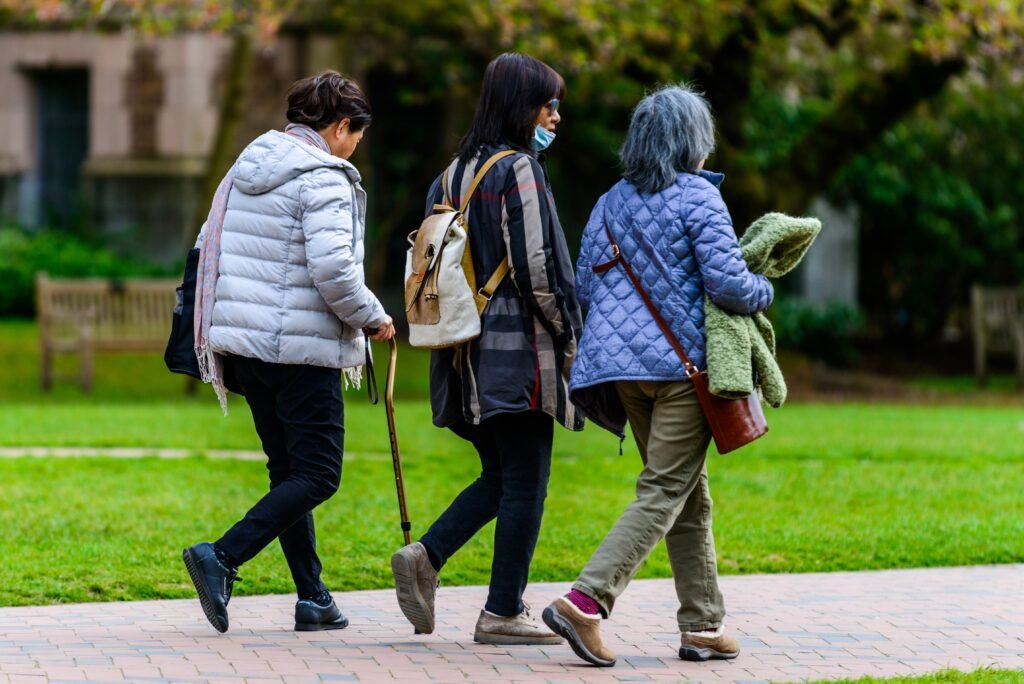
What draws someone back to school in their sixties or seventies? For many older adults, the answer lies not in a traditional university campus, but in community living environments that combine residential support with educational opportunities. The landscape of senior education has shifted dramatically over the past decade, with intentional communities, continuing care retirement communities, and senior co-housing arrangements now positioning themselves as hubs for lifelong learning. This trend reflects a fundamental change in how aging adults view their later years, moving away from the idea of retirement as a time of leisure alone and embracing continued intellectual engagement and personal growth.
1. The Rise of Lifelong Learning Among Seniors
The appetite for education among adults over sixty-five has grown considerably in recent years. Older learners are pursuing everything from formal degree programs to casual certificate courses, hobby classes, and skill workshops. Many come to this pursuit after raising families or retiring from careers, finally having the time and freedom to explore subjects they always wanted to study. For example, a seventy-year-old might finally take that art history class they postponed for decades, or a sixty-eight-year-old might enroll in a beginner’s coding course to stay connected in a digital world.
This educational momentum reflects changing attitudes about what aging should look like. Rather than viewing retirement as a period of gradual withdrawal, many seniors now see it as an opportunity for reinvention, curiosity, and continuous learning.
2. Community Living Environments as Educational Hubs
Senior living communities and co-housing arrangements have evolved well beyond the traditional model of meals and basic amenities. Many now employ education coordinators and partner with local colleges, universities, and nonprofit organizations to offer classes directly on campus or in community spaces. These arrangements eliminate transportation barriers that might otherwise prevent older adults from attending classes or participating in workshops.
A resident in an intentional senior community might attend a morning watercolor class in a building across the courtyard, then join a philosophy discussion group in the afternoon, all without needing to drive.
The integration of educational programming into the daily residential experience makes learning feel like a natural part of community life rather than something requiring special planning. This accessibility can be especially valuable for older adults with mobility limitations or those who prefer not to drive in unfamiliar areas. TerraBella Cramer Mountain is an example of an independent living community where residents can pursue intellectual engagement and social connection as part of their daily routines. For older adults weighing residential options, communities built on this framework offer an environment where housing, connection, and learning complement one another.
3. Social Connection as a Driver for Continued Learning
The communal nature of senior living creates an ideal environment for collaborative learning and intellectual exchange. When residents live together and share common spaces, they naturally form study groups, book clubs, and learning circles. These social connections often become just as valuable as the formal curriculum itself, providing motivation to participate and remain engaged.
Older adults frequently report that the opportunity to learn alongside peers experiencing similar life transitions matters as much as the subject matter itself. A group of seniors might enroll together in a memoir-writing workshop, using their shared experiences in the community as inspiration for their work.
The combination of structured learning and social reinforcement creates an environment where education feels purposeful and connected to meaningful relationships rather than an isolated academic pursuit.
4. Addressing Isolation Through Educational Community
Senior communities that prioritize education can help address one of the most significant concerns facing aging populations: social isolation. Research from gerontology organizations has consistently linked cognitive engagement and social participation with positive well-being among older adults. When education becomes a central component of community life, it provides both mental stimulation and regular social interaction.
A resident attending classes several times each week benefits from a consistent routine, opportunities to build friendships, and a sense of purpose. These factors can support cognitive wellness and contribute to overall quality of life. Communities that combine housing, support services, and educational programming create an environment that encourages residents to remain mentally engaged, socially connected, and involved in daily community life.
5. Flexibility and Accessibility in Senior Learning Models
Unlike traditional higher education, many community-based learning programs designed for seniors offer flexible schedules, no required testing or grades, and content that reflects the interests and experiences of older adults. Participants can often audit classes without pressure to complete assignments or maintain academic performance standards, allowing them to focus on learning for personal enrichment.
Some senior communities offer hybrid models where residents can participate in virtual classes from their apartments on days when attending in person is less convenient. Others partner with nearby colleges to allow seniors to enroll as non-degree-seeking students, often at reduced tuition rates while still gaining access to academic resources.
This flexibility removes barriers that might prevent someone from enrolling, such as concerns about returning to a classroom environment or meeting strict deadlines. Many older adults appreciate the freedom to engage with education on their own terms.
6. Economic Advantages of Integrated Community Learning
For seniors who are already considering a move to a community setting, combining housing with educational programming can be an efficient use of financial resources. Rather than paying separately for housing, educational courses, and social opportunities, many senior living communities bring these elements together in a single monthly cost structure.
Some communities include educational programming as part of the monthly fee, making classes readily available without additional expenses. This approach can encourage residents to explore new interests and take advantage of learning opportunities they may not have pursued otherwise.
A resident may find that educational offerings add meaningful value to community living. When housing, social connection, and learning opportunities come together in one location, the overall experience can be more appealing than accessing each of those resources separately.
Conclusion
The growing number of aging adults pursuing education within community living environments reflects a meaningful shift in how later life is viewed and experienced. These settings support continued intellectual growth while addressing practical concerns such as accessibility, social connection, and opportunities for lifelong learning. By bringing education and community life together, senior living communities can offer residents meaningful ways to explore new interests, build relationships, and pursue personal goals. As more older adults seek purposeful and enriching experiences in their later years, communities that support lifelong learning will likely continue to attract those looking to remain curious, connected, and engaged.