
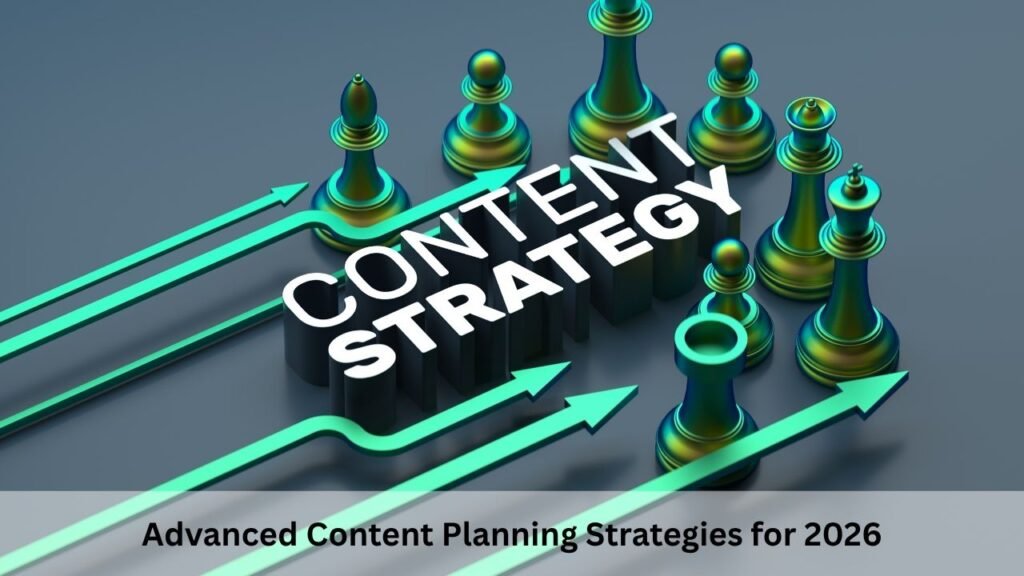
The content planning of 2026 no longer means sharing regularly. Things have evolved rapidly and the creators that continue to use the primitive calendars tend to find it difficult to develop. Tomorrow, the trick is to be smarter and get to know the audience better and be able to change strategies swiftly. Even websites such as SocialGreg emphasize the shift of competition to creators that plan rather than guess at what their next step will be. Even good content can get lost in the noise without a good plan.
Moving Beyond Basic Content Calendars
Among the most significant content planning improvements is the shift to non-basic posting schedules. Creators are now more concerned with intent-based planning as opposed to merely putting dates on a calendar. What it means is that each bit of content should be able to be explained by a definite purpose behind it- be it educating, engaging, or converting. With purposeful content, the content automatically associates with the audiences and achieves more stability in its growth over time.
Understanding Audience Micro-Segments
In 2026, there are no longer large groups of audiences. They consist of smaller segments having varied interests, habits and expectations. Advanced planning targets these micro-groups, rather than general targeting. When content speaks to what people actually care about, it feels like a conversation. Because they sense someone gets them, readers stay longer. Trust grows quietly, then shows up again later.
Building Flexible Content Systems
Rigid planning is no longer viable since fashions change rapidly. The optimal solution is to construct adaptable systems that would enable rapid adaptation. This does not imply lack of structure but rather making space to allow change where necessary. When things shift, flexible makers adjust – tuning into what people say, how numbers move, yet still holding sight of the bigger picture. Staying steady while moving with the moment keeps them visible even when everything online spins fast.
Creating Content Ecosystems Instead of Standalone Posts
Thinking ecosystems, not posts, is another progressive approach. Creators no longer treat every individual piece of work as a unit, and instead create an interrelated content that facilitates a bigger concept. One topic can be divided into various formats such as short posts, long articles and visuals. Not only does that enhance visibility but also enhances brand recognition and maintains viewership in various platforms.
Using Performance Loops for Smarter Growth
Continuous improvement is also key in content planning in 2026. Creators, instead of posting and forgetting, are employing performance loops, reviewing what works and improving what doesn’t. Minor changes according to the engagement, reach, and the behavior of the audience can lead to great outcomes in the long term. This continuous loop enables creators to keep in touch with what their audience actually reacts to, and not guess as to what they react to.
Conclusion
Content planning is no longer a luxury; it is the difference between progressing creators and those who remain stagnant. As soon as you move away to sophisticated scheduling, things will be more targeted and efficient. Knowing your audience, being flexible and creating content ecosystems are all in collaboration as they drive better outcomes. The growth in 2026 will not be about doing more but doing things in a smarter way. Consistency then begins to become a habit, and success over the long term isn’t so far-fetched.