

Most people slip on a silver ring or clasp a bracelet without ever thinking about where it came from or what it took to make it. Jewelry has a way of feeling almost magical, like it simply appears polished and ready to wear. But behind every piece is a long, detailed process involving raw materials, skilled hands, and careful decisions that most buyers never see. Understanding this hidden journey gives you a much deeper appreciation for the jewelry you own, especially when it comes from a trusted china 925 sterling silver jewelry manufacturer that has spent years perfecting the craft.
It Starts With Raw Silver
Before a single piece of jewelry takes shape, everything begins with raw silver. Pure silver on its own is far too soft for everyday wear. It bends easily, scratches at the slightest contact, and simply can’t hold intricate designs over time. To solve this, manufacturers blend pure silver with small amounts of other metals, most commonly copper, to create a stronger alloy.
This is where the term sterling silver actually comes from. The mixture typically results in a composition that’s 92.5 percent silver, giving jewelry the durability it needs without losing that signature shine people love. Getting this ratio right requires precision, since too much of the added metal can weaken the finished piece or affect its color.
Melting and Casting
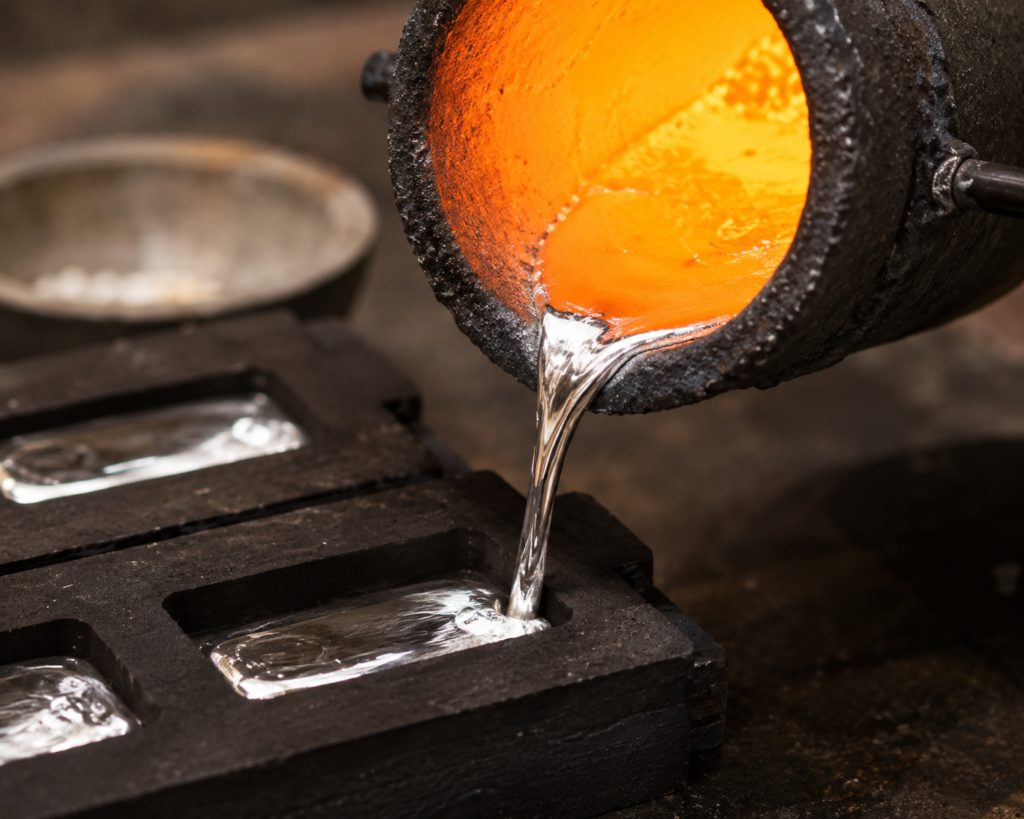
Once the alloy is prepared, it goes through a melting process where the metal becomes liquid enough to be shaped. From here, manufacturers use casting techniques to form the base structure of a piece. This might involve pouring the melted silver into molds designed for specific shapes, whether that’s a ring band, a pendant outline, or the framework for a more detailed design.
Casting requires careful temperature control. If the metal cools too quickly or unevenly, it can create weak spots or imperfections that show up later in the finished piece. Skilled workers monitor this process closely, making adjustments as needed to maintain consistency across every batch.
Shaping and Detailing
After casting, the real artistry begins. This stage is where a plain piece of metal starts to look like actual jewelry. Depending on the design, this can involve hammering, filing, engraving, or hand carving intricate patterns into the surface. Some pieces are shaped almost entirely by machine for precision, while others rely heavily on manual techniques that require years of practice to master.
This is often the most time consuming part of the entire process. A simple band might only take a short amount of shaping, while a detailed piece with filigree work or embedded stones can take significantly longer. The level of detail put into this stage directly affects both the appearance and the value of the final product.
Setting Stones and Adding Details
For pieces that include gemstones or other decorative elements, this is where those get added. Stone setting is a delicate skill on its own, requiring precise measurements to ensure stones sit securely without risk of falling out over time. Even small mistakes at this stage can compromise the integrity of the piece, which is why experienced setters are essential to the process.
Beyond stones, this stage might also include adding clasps, chains, or other functional components that make the piece wearable. Every small addition needs to blend seamlessly with the overall design without looking like an afterthought.
Polishing and Finishing
Once the piece is fully assembled, it moves into the finishing stage. This is where the dull, rough surface left over from shaping and casting gets transformed into the smooth, reflective finish people expect from quality jewelry. Polishing wheels, buffing compounds, and sometimes hand finishing tools are used to bring out the natural shine of the silver.
Some designs also go through additional finishing techniques, like oxidizing certain areas to create contrast and depth. This is common in more detailed or vintage inspired pieces, where darker recessed areas help highlight raised patterns and textures.
Quality Control Before It Reaches You
Before any piece makes its way to a buyer, it typically goes through a thorough quality check. This includes inspecting for structural weaknesses, checking that stones are properly secured, and making sure the overall finish meets expected standards. Reputable manufacturers take this step seriously, since a single flawed piece can damage trust with buyers and retailers alike.
This stage often involves both visual inspection and physical testing, ensuring that clasps open and close properly, rings maintain their shape, and no rough edges or weak points have been overlooked.
Why This Process Matters to Buyers
Knowing what goes into making a single piece of sterling silver jewelry changes the way you think about what you’re buying. It’s not just metal shaped into a pretty design. It’s the result of multiple stages, each requiring specific skills and attention to detail. This is part of why working with an experienced manufacturer makes such a noticeable difference in quality.
Cutting corners at any stage, whether it’s rushing the casting process or skipping proper quality checks, often results in jewelry that doesn’t hold up over time. Buyers who understand this hidden process are better equipped to recognize the difference between well made pieces and those that only look good on the surface.
A Deeper Appreciation for Every Piece
The next time you put on a piece of sterling silver jewelry, it’s worth remembering everything that happened before it reached your hands. From raw metal to finished product, each step plays a role in creating something that isn’t just decorative but genuinely well crafted. That hidden process is exactly what separates jewelry that lasts for years from pieces that lose their shine within months.